Knowledge Makers Indigenous Journal Publication and Research Network
Preserving Knowledge and Empowering Indigenous Scholars
Read the Knowledge Makers Journal
Knowledge Markers authors have conducted research in many different areas of academia. Each volume is available digitally, so you can learn more about our previous editions!
Read the Knowledge Makers Journal
Knowledge Makers authors have conducted research in many different areas of academia. Each volume is available digitally, so you can learn more about our previous editions!
About Knowledge Makers
Changing the World,
One Researcher at a Time
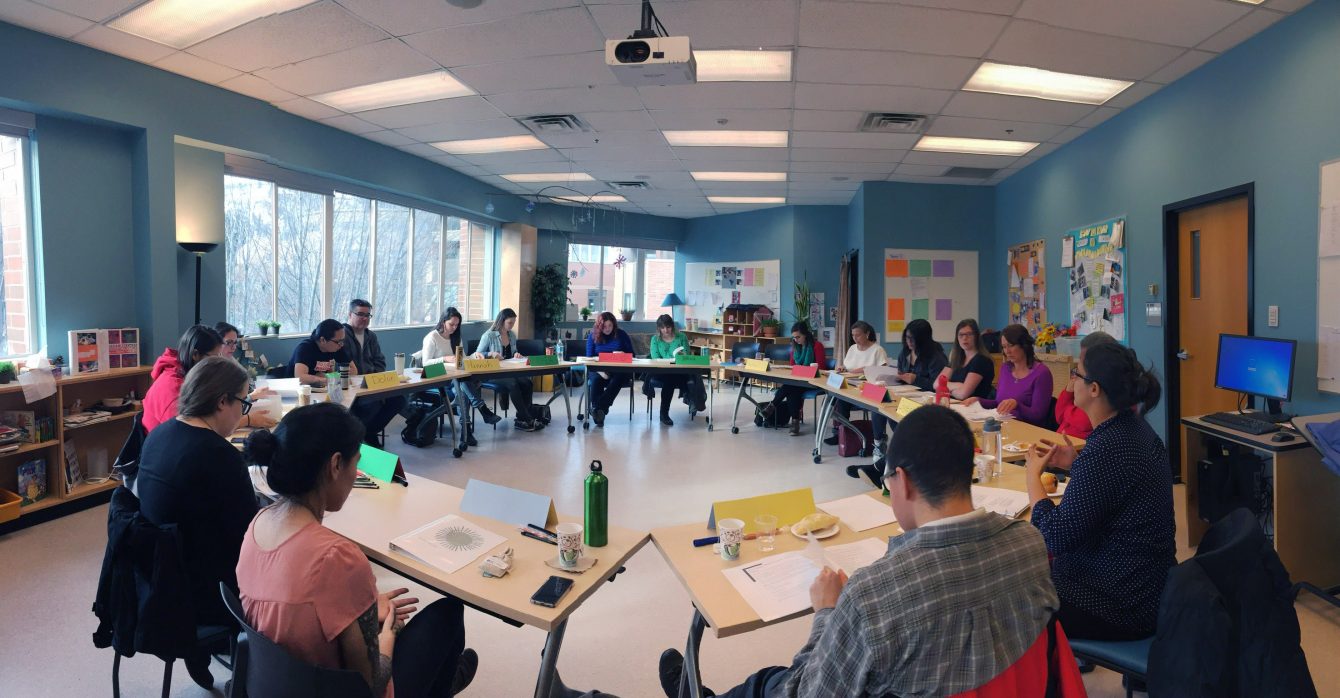
Knowledge Makers is a collaborative teaching initiative where Indigenous undergraduate students learn the process of research, and how to publish research as Indigenous researchers.
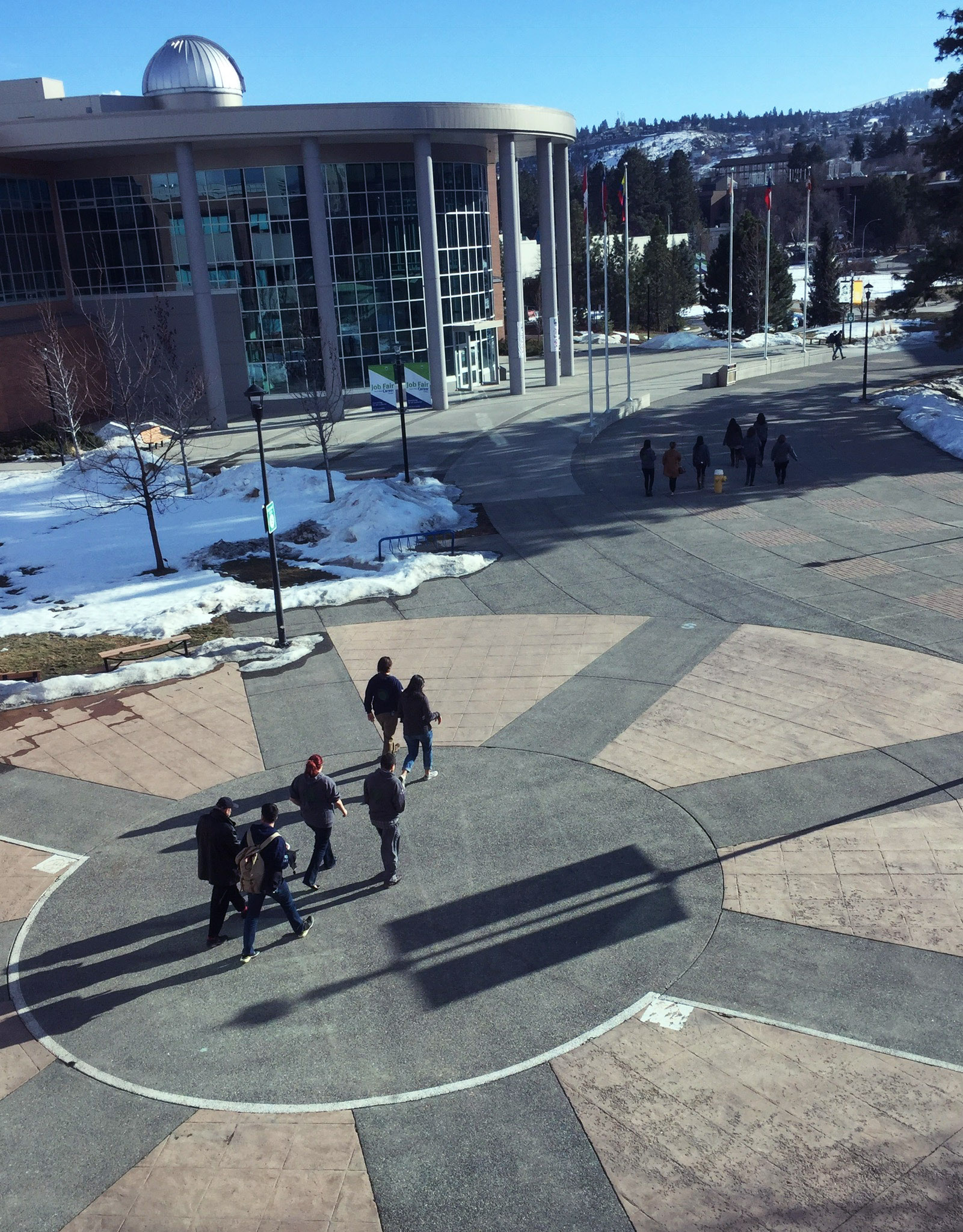
Based at Thompson Rivers University, we bring together up to 20 Indigenous undergraduate students each year from across the university to learn how to ‘make knowledge’ through a multi-modal approach.
The Journal
Explore the Publication
Today, Knowledge Makers is a Canadian award-winning Indigenous research network.
Annually, and through special edition publications we support new and upcoming Knowledge Makers who are changing the world, and redefining what Indigenous Research looks like.
Become a Knowledge Maker
Discover more about upcoming special publication plans and how you can become a Knowledge Maker yourself.
Program Resources
Aspiring writers in the Knowledge Makers program can find support in research, writing, or cultural knowledge.
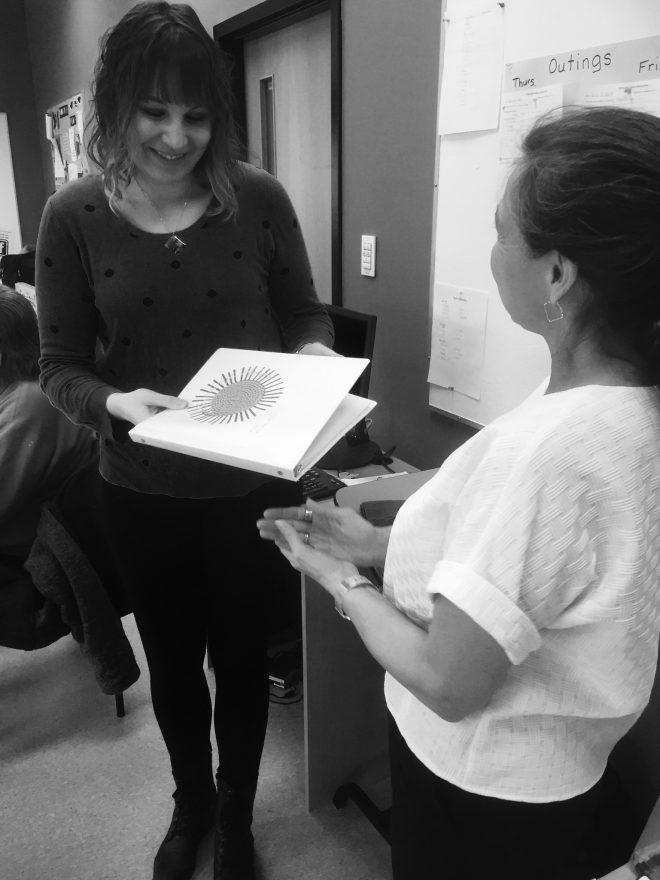
Previous Volumes
Explore our Previous Volumes, where you can discover the insights and thoughts shared by KM Alumni over the years.
ALL MY RELATIONS INDIGENOUS RESEARCH CENTRE
We are creating a ripple effect of change.
My hope for Indigenous research in Secwépemcul’ecw and beyond is that we come to the understanding that our research can create ripples of positive energy and that many stones can create a large ripple effect that will send a positive flow of energy to our friends, families, communities, nations, and all of creation.
Dr. Rod McCormick
— DIRECTOR OF ALL MY RELATIONS INDIGENOUS RESEARCH CENTRE
Outcomes and Awards
MORE THAN JUST A JOURNAL
Knowledge Makers transcends the boundaries of a mere journal publication; it stands as a robust research network, a facilitator of research training programs, and a guardian of traditional knowledge.
Within the realm of Knowledge Makers, a dynamic research network thrives, fostering collaboration and innovation. Guided by mentorship systems, it nurtures aspiring researchers, preserving invaluable Indigenous knowledge for future generations.
PAPERS PUBLISHED
VOLUMES
INDIGENOUS RESEARCHERS
Nations Represented
Travel Opportunities
Providing Indigenous Researchers with Hands-on Experiences.
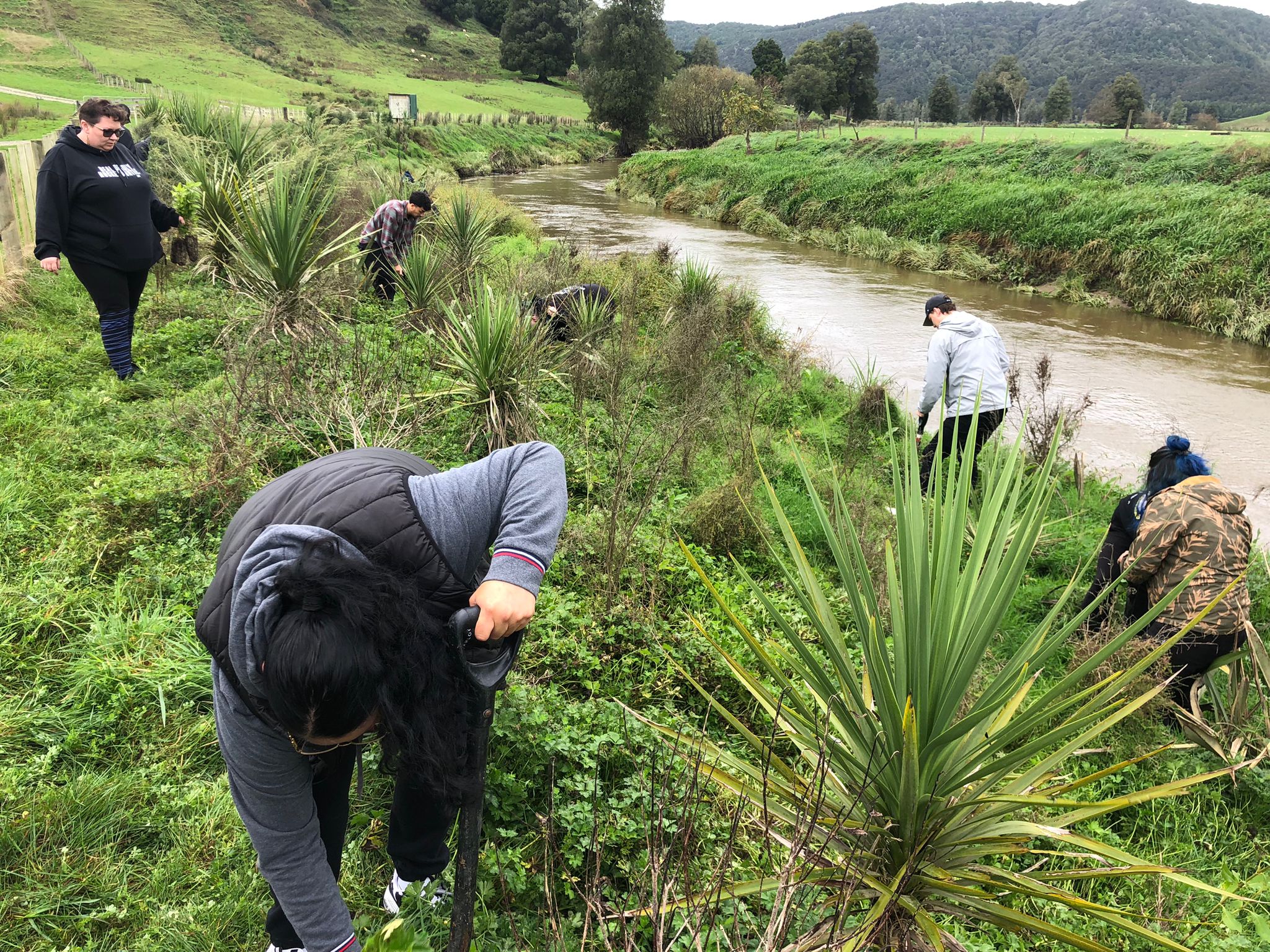
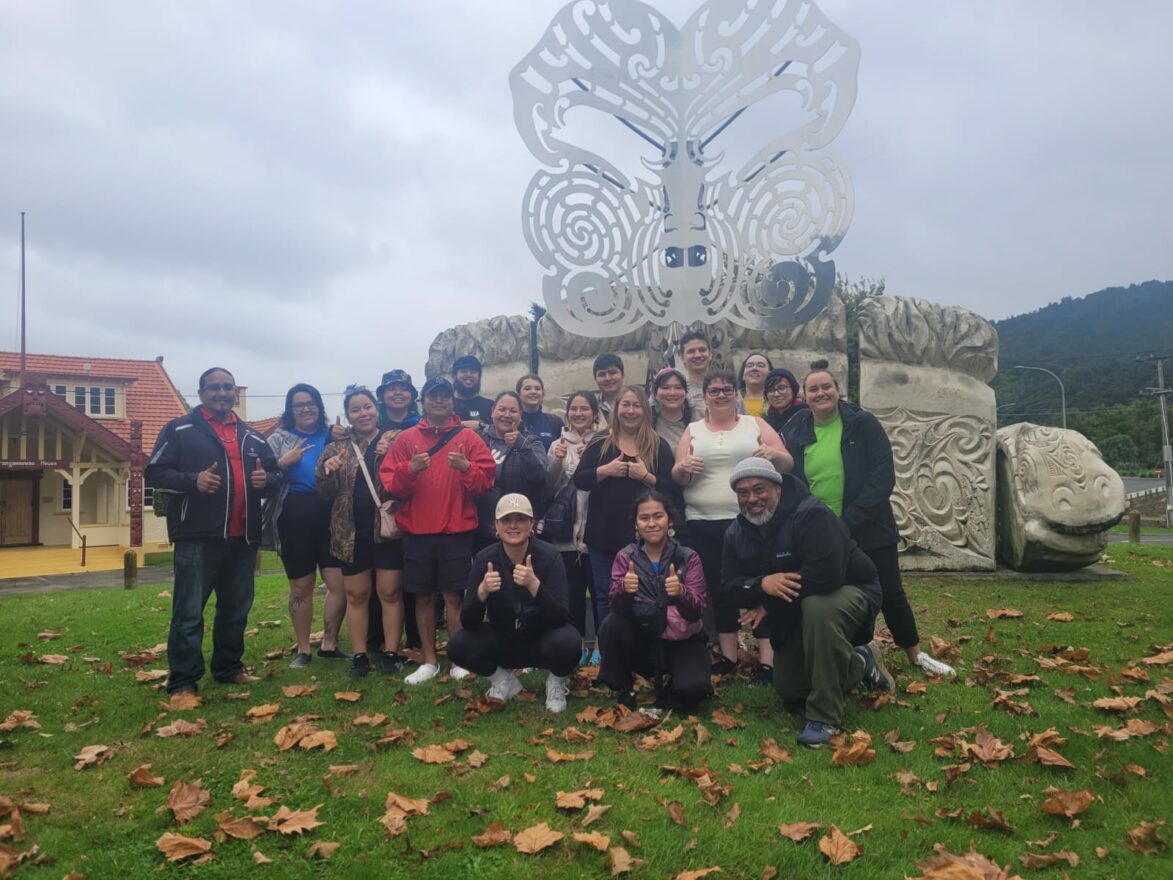
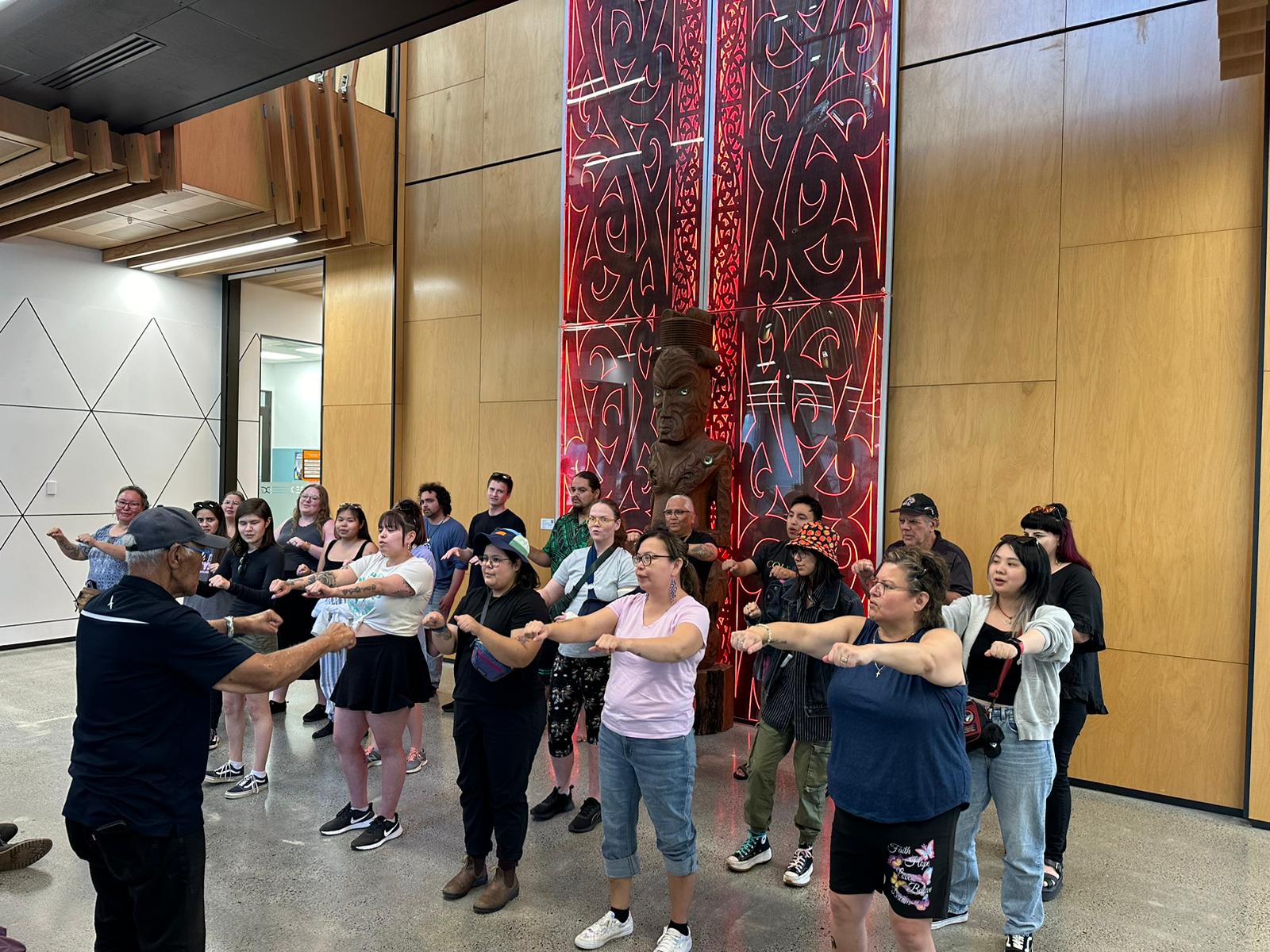
Each year, we create unique international travel opportunities for Indigenous undergraduate students, thanks to the support of Universities Canada. Students are immersed in important land, spiritual, and cultural education.
The students who take part are those who go through the Knowledge Maker’s publication program.
Travel Opportunities
Providing Indigenous Researchers with Hands-on Experiences.
Each year, we create unique international travel opportunities for Indigenous undergraduate students, thanks to the support of Universities Canada. Students are immersed in important land, spiritual, and cultural education.
The students who take part are those who go through the Knowledge Maker’s publication program.
Testimonials
The Impacts of Knowledge Makers
Being able to support Indigenous undergraduates in their first publication is our most important program outcome. For many the experience is affirming and powerful, but don’t take just our word for it.
OUR BLOG
What’s New at Knowledge Makers
-
Indigenous in the Diaspora: Trinidad (Indo-Caribbean)
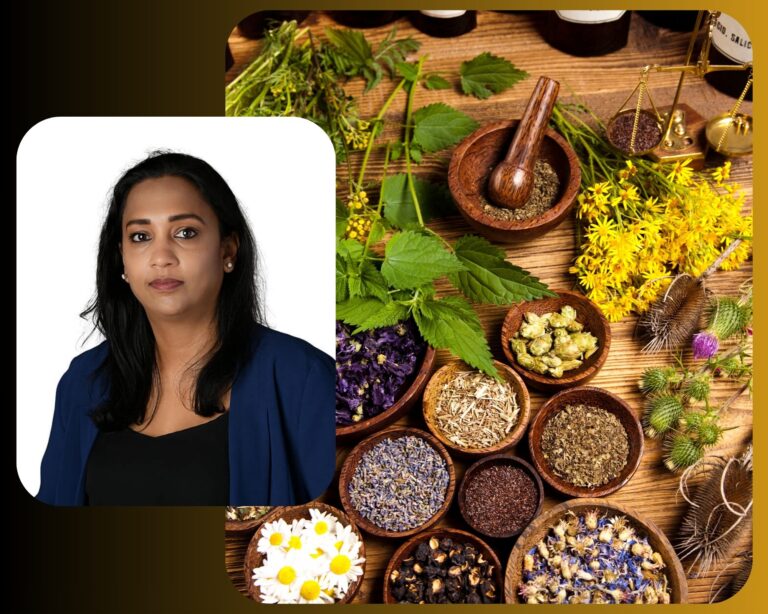
Bridging Science, Storytelling, and Indigenous Knowledge: Meet Natasha Ramroop Singh Natasha Ramroop Singh is an associate teaching professor in the Faculty of Biological Science and a strong advocate for open educational pedagogies at Thompson Rivers University. Since joining TRU in 2019, Ramroop Singh has developed open textbooks and open video resources in biology, genetics, and chemistry that have saved students thousands of dollars while improving access to…
-
What the New Outdoor Ice Rink Teaches us about Third Spaces
If you have been downtown lately, you have probably noticed that the new outdoor ice rink in Riverside Park has quickly become a hub of activity. While it might be easy to attribute the rink’s popularity to novelty, winter fun, or free skating, I think something deeper is at play….
-
Knowledge Makers Volume 11
Call for Writers! This year we are inviting emerging writers, researchers, artists, and storytellers to contribute to publishing their work for the volume 11 edition, centered on providing solutions grounded in lived experience Indigenous Knowledge, land-based wisdom, and intergenerational learning. Theme Our main theme surrounds the following phrase; Connecting with…
RIGHT TO YOUR INBOX
Get Our Monthly Newsletter!
This isn’t just any newsletter: it’s dedicated to showcasing the significant Indigenous research happening right here at TRU and with our educational partners.

RIGHT TO YOUR INBOX
Get Our Monthly Newsletter!
This isn’t just any newsletter: it’s dedicated to showcasing the significant Indigenous research happening right here at TRU and with our educational partners.
To sign up for our monthly research newsletter, please enter your email address. Please utilize a non-TRU email address!
We Acknowledge
Indigenous people
around the world
We would like to acknowledge the many Indigenous peoples and nations around the world. We would like to acknowledge those who are fighting to protect their lands, traditions, and peoples. We are grateful for the work being done. We are grateful for the knowledge shared.
Across Turtle island
We acknowledge the many Indigenous peoples from across this land. We acknowledge the many nations that have cared for the land. We are grateful for the hard work that each nation does to protect language, culture, tradition, the young and old, and the environment.
Knowledge Makers at Thompson Rivers University
Thompson Rivers University campuses are on the traditional lands of the Tk’emlúps te Secwépemc (Kamloops campus) and the T’exelc (Williams Lake campus) within Secwépemc’ulucw, the traditional and unceded territory of the Secwépemc. TRU services also extends into the territories of the St’át’imc, Nlaka’pamux, Nuxalk, Tŝilhqot’in, Dakelh, and Syilx peoples.
We respectfully acknowledge the Secwepemc—the peoples who have lived here for thousands of years, and who today are a Nation of 17 Bands. We acknowledge Tk’emlúps te Secwepemc. We acknowledge T’exelcemc and Xat’súll.
As we share knowledge within this university, we recognize that this territory has always been a place of teaching, learning, and research. We are lucky and are grateful that we are able to learn, grow, play and live on these lands.
Learn more about Indigenous TRU Here.
Get in Touch With Us!
We appreciate your interest in reaching out to us. Whether you have inquiries about our publication, wish to contribute as an author, or have any feedback to share, we’re here to assist you.
Please feel free to fill out the form below with your details and message, and our team will get back to you as soon as possible.