Indigenous in the Diaspora: Trinidad (Indo-Caribbean)
Bridging Science, Storytelling, and Indigenous Knowledge: Meet Natasha Ramroop Singh
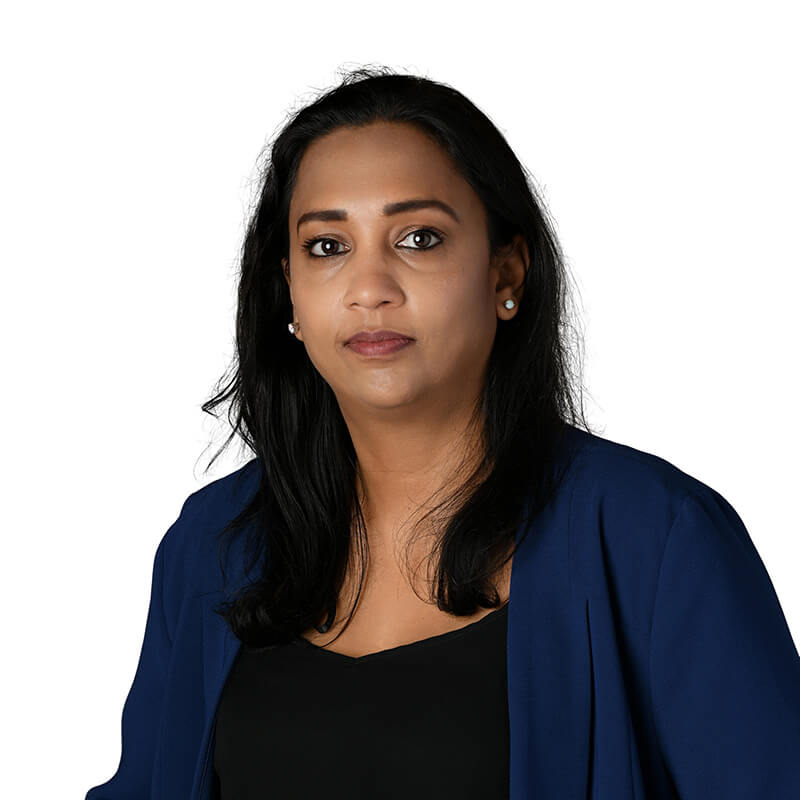
Natasha Ramroop Singh is an associate teaching professor in the Faculty of Biological Science and a strong advocate for open educational pedagogies at Thompson Rivers University. Since joining TRU in 2019, Ramroop Singh has developed open textbooks and open video resources in biology, genetics, and chemistry that have saved students thousands of dollars while improving access to education. Her work blends scientific curiosity with compassion, community collaboration, and a deep commitment to student success. In 2024, she received the BCcampus Award for Excellence in Open Education for her contributions to open educational resources and innovative teaching.
When it comes to medicine, her learning journey as an educator and researcher does not only revolve around chemicals, pathways, or laboratory research. It integrates stories, relationships, culture, and connection to the land. Her journey is deeply personal, shaped by Caribbean heritage, family traditions, and a lifelong curiosity about how people heal.
Rooted in the Caribbean
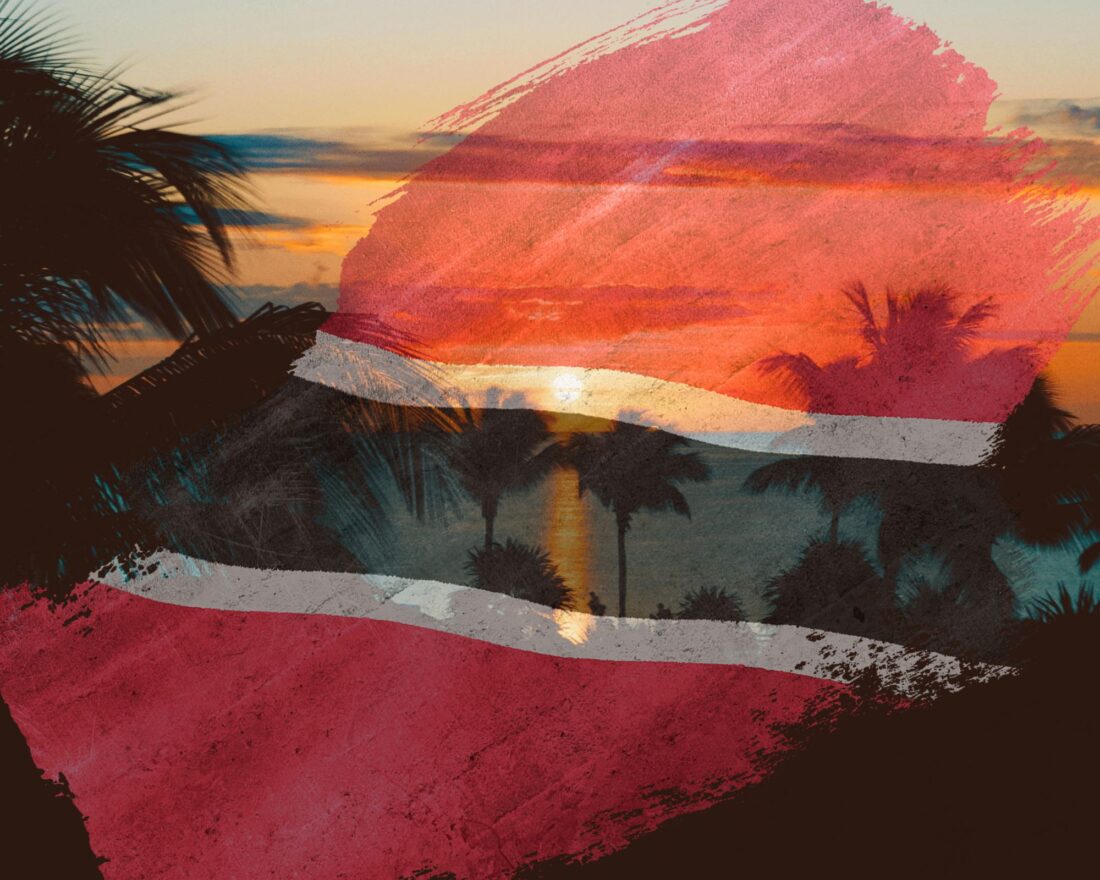
Ramroop Singh proudly describes herself as Indo-Caribbean. Although her ancestors came from India roughly 150 years ago to work on sugarcane plantations in Trinidad, she identifies strongly with Caribbean culture.
“I identify more with the coconut trees and the steelpan and the sandy beaches”
Growing up in Trinidad exposed her to a blend of cultures and traditions. She remembers learning about Trinidad’s Indigenous Amerindian (Carib and Arawak) peoples in school and visiting communities connected to those histories. What stayed with her most was their creativity and deep relationship with the environment.
“Their ability to take a coconut husk or shell and transform it into ten different things was always fascinating to me”
A Scientist Drawn to Plant Medicine
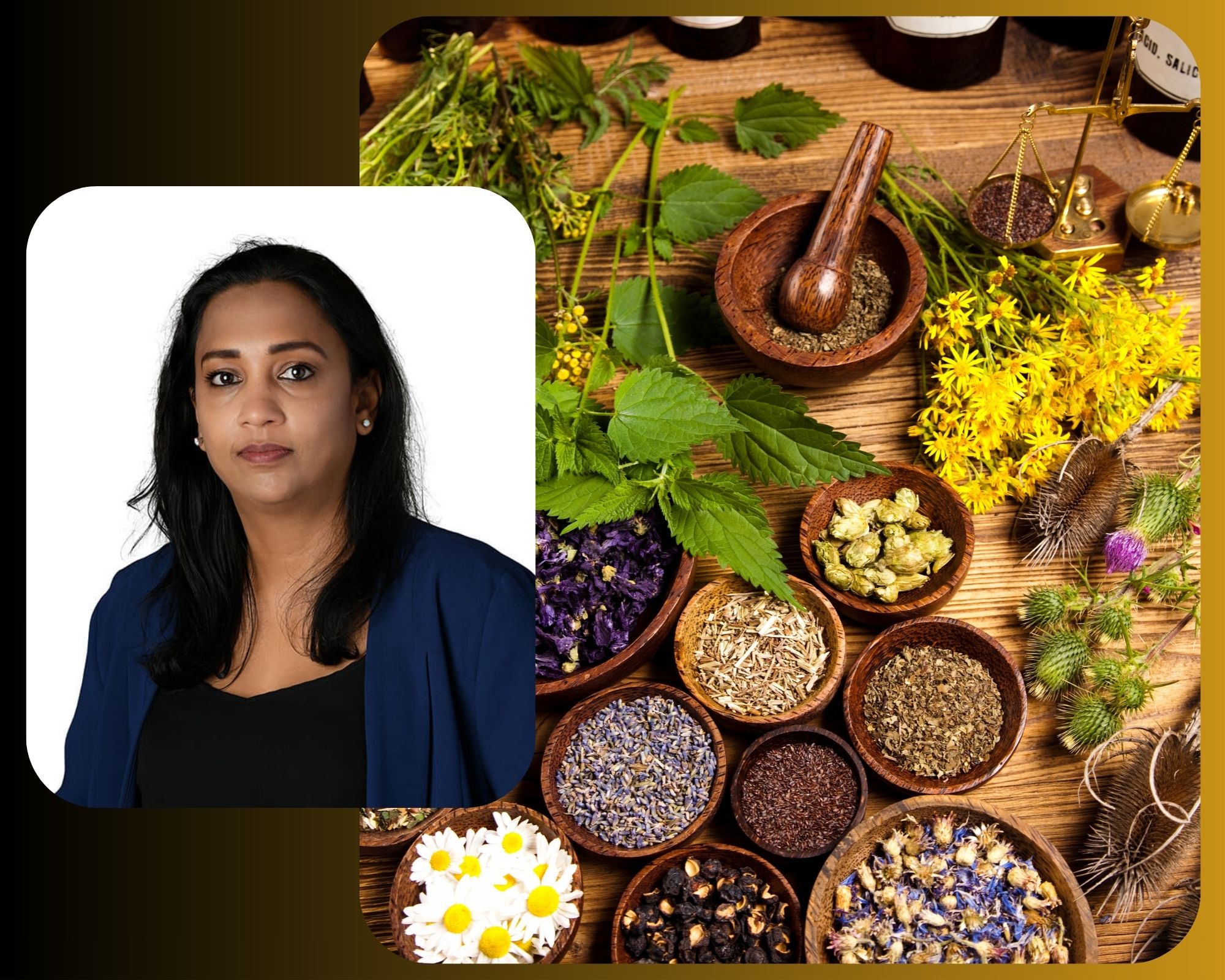
Although Ramroop Singh is trained as a chemist specializing in analytical biochemistry, her fondness in plant medicine sprouted from childhood. Like many people raised in cultures connected to herbal remedies, she recalls memories of her mother brewing teas to help with fevers and illness.
“My mom would give me certain teas if I had a fever. It was just something passed down from her mother.”
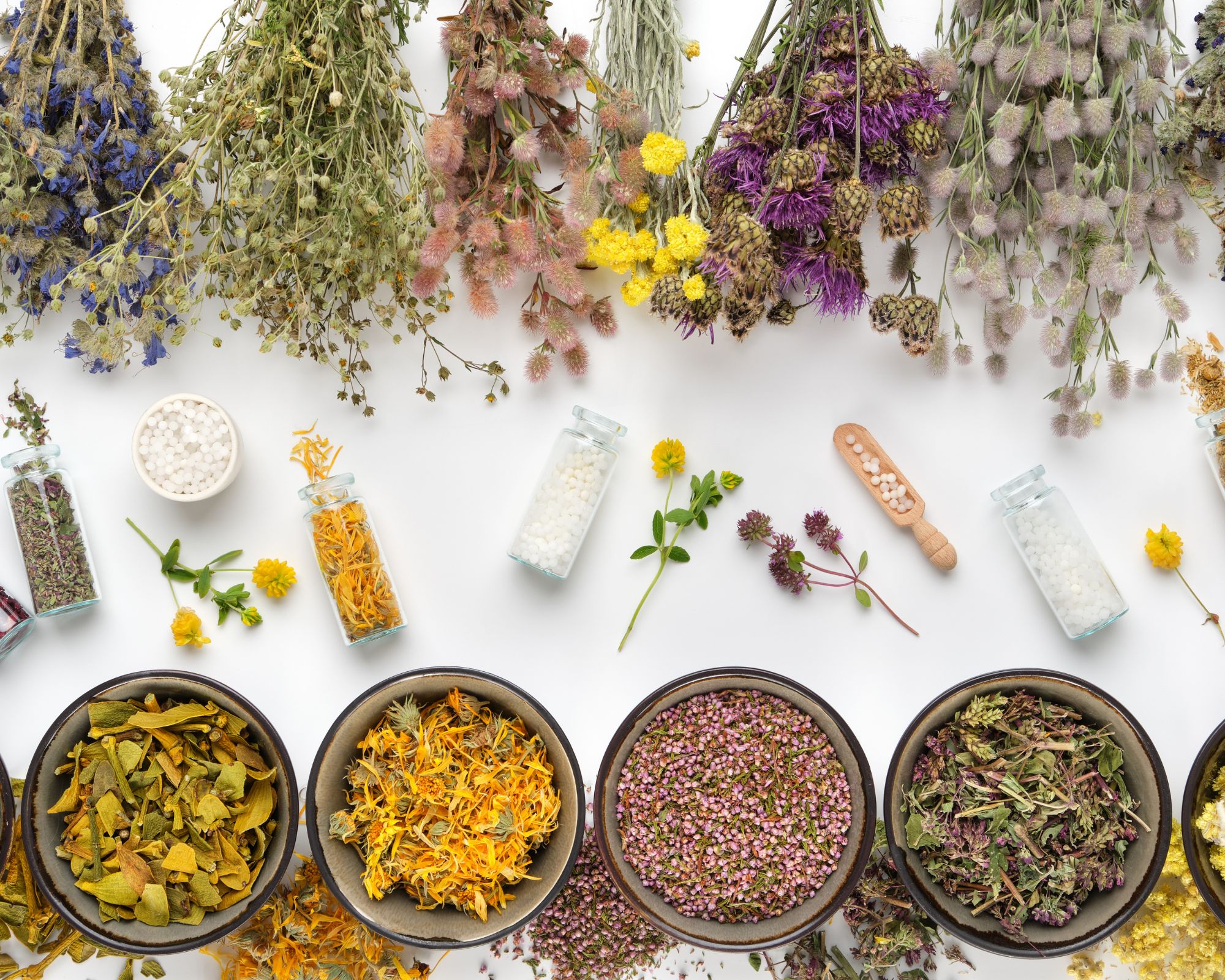
These experiences made her become fascinated by bioactive compounds in plants and the ways traditional medicines have been used for generations. At the same time, Singh approaches traditional medicine with scientific care and honesty. She acknowledges that some claims require more evidence and research, while also emphasizing that many plant-based remedies do have measurable healing properties. Rather than seeing science and Indigenous medicine as opposites, she views them as interconnected.
Healing Beyond the Physical; Engaging with the Land
One of the most powerful parts of Singh’s work is how it challenges the narrow definitions of medicine. Through her collaboration with the Cayoose Creek Band in Lillooet, she has learned that healing is not simply about treating symptoms. Healing involves mental, spiritual and emotional aspects, all rooted in community.
“Medicine has to do with the community. It has to do with storytelling. It has to do with rituals. It has to do with being connected to the land.”
She reflected on how modern life often disconnects people from their own bodies. Issues such as stress, technological distractions, meeting deadlines, and constant urban stimulations can make it difficult for us to recognize early signs of imbalance in our bodies.
“Our bodies send us signals way before, but we ignore them because we’re overwhelmed.”
For Ramroop Singh, Indigenous perspectives on healing encourage people to slow down, reflect, and address the root causes of illness instead of only reacting to symptoms.
Preserving Knowledge Before It Is Lost
A part of Singh’s work is also focused on documenting medicinal plant knowledge shared by community members in respectful and collaborative ways. She explained that much traditional knowledge risks disappearing as Elders pass away and younger generations might rely more heavily on modern medicine.
“A lot of this knowledge is dying…it’s being lost as Elders leave.”
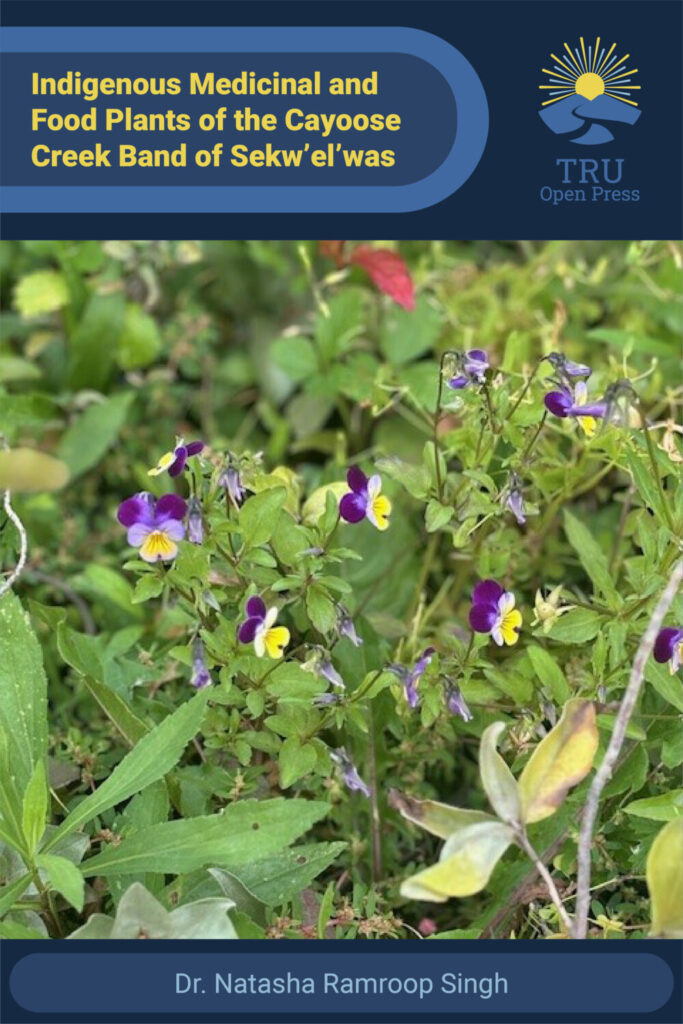
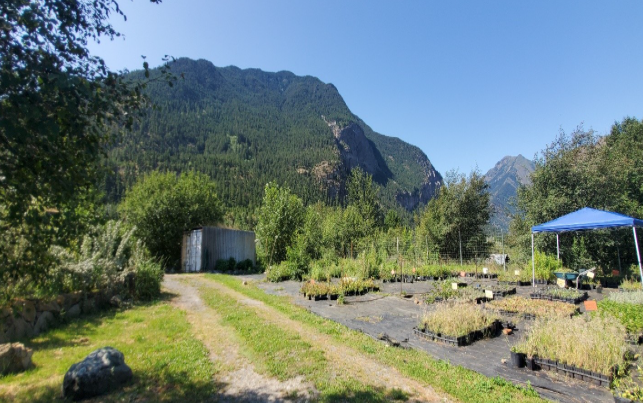
Working alongside the Cayoose Creek community, Ramroop Singh helped create an open educational resource documenting local medicinal plants and their uses. The project serves two important purposes: preserving knowledge for the community itself and creating educational opportunities for students.
“I think of myself as an editor, I collected, gathered, and put it together.”
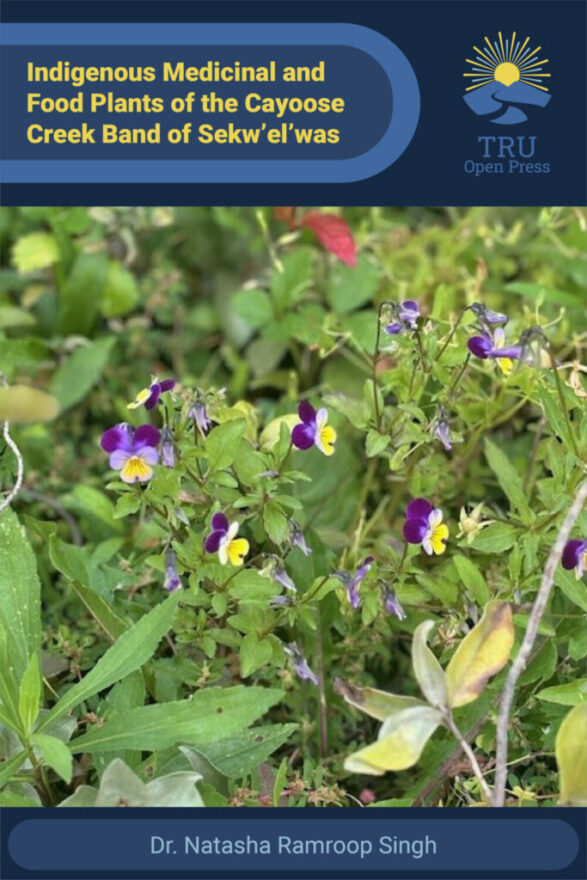
A key element is how she positions herself in this research. Her role is not as the “owner” of the knowledge, but as someone helping in gathering, organizing, and connecting information. This act serves as a much-needed step in understanding how communal research requires humility, respect, and reciprocity.
Bringing Indigenous Knowledge into the Classroom
This approach allows students to appreciate both the scientific mechanisms and cultural knowledge behind traditional medicines, further emphasizing the value of respecting nature and Indigenous Knowledge practices within an academic environment.
“I can merge science and traditional medicine. A lot of people tend to think they’re separate.”
Such lessons draw ties between chemistry to knowledge systems that have existed for generations. Creating a balance between formalized knowledge and applied knowledge that is needed by the community.
Collaboration Built on Respect
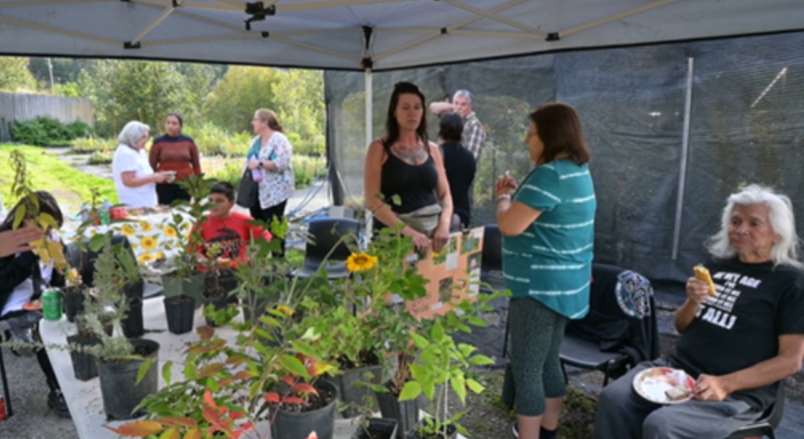
Throughout the interview, Ramroop Singh repeatedly emphasized the importance of respectful collaboration.
She explained that her relationship with the Cayoose Creek Band developed organically over time and was built on trust, patience, and careful listening.
Singh believes this work can become a model for future collaborations between Indigenous and non-Indigenous communities, but she also recognizes that every context is different. There is no single formula for ethical engagement.
What matters most, she believes, is approaching the work with humility, awareness, and respect.
More Than Research
At its heart, Ramroop Singh’s work establishes a framework that bridges medicinal Indigenous Knowledge with biochemistry in academia, demonstrating that these two fields are interconnected, despite different practices, terminologies and environments.
Her work reminds us that education can be a bridge between traditions rather than a barrier between them. By combining scientific inquiry with respect for Indigenous knowledge, she is helping create conversations that are collaborative, human-centered, and deeply meaningful.
In a world increasingly shaped by speed, stress, and disconnection, her research journey reminds us that healing extends beyond curing an illness and more about restoring relationships with ourselves (soul, body and mind), with community, and with the land. It ties science and Indigenous knowledge with humility and care, showing that traditional wisdom and modern research do not have to compete, but can instead strengthen one another. Through respectful collaboration and education, she is helping preserve stories, practices, and knowledge that might otherwise be lost to time.
As reflected during the interview, she concludes by saying, “I think it’s two sides of the same coin.” In many ways, that simple phrase captures the heart of her work; a belief that science and traditional knowledge, when approached with respect, can coexist to create deeper understanding, healing, and connection.
To learn more about the Indigenous Medicinal and Food Plants resource, follow the info below: