Knowledge Makers Journal
Born from a desire to support the publication of Indigenous researchers;
Today Knowledge Makers is a Canadian award-winning Indigenous research network. Annually we support new and upcoming Knowledge Makers who are changing the world.
Our alumni continue to push boundaries, achieving remarkable success. Many are winning national scholarships, becoming research assistants, pursuing graduate studies, working as international interns, earning national grant awards, and presenting internationally.
As a team, we feel fortunate that we help foster and steward the knowledge and talents that we meet with every publication cycle.
Are you an Indigenous student interested in research?
Become a Knowledge Maker
If you have a passion for digging deep and learning more, research may be right for you!
Our Current Publication Call for Papers
Applications for Volume 11 are now open!
Let us know a little bit about yourself, your passions and experience. We will be accepting applications from January 22, 2026 until we reach 25 confirmed participants.
This years workshop will be happening on February 21st & 22nd from 9am-4pm.
Application for Volume 11
About Knowledge Makers Journal Publication
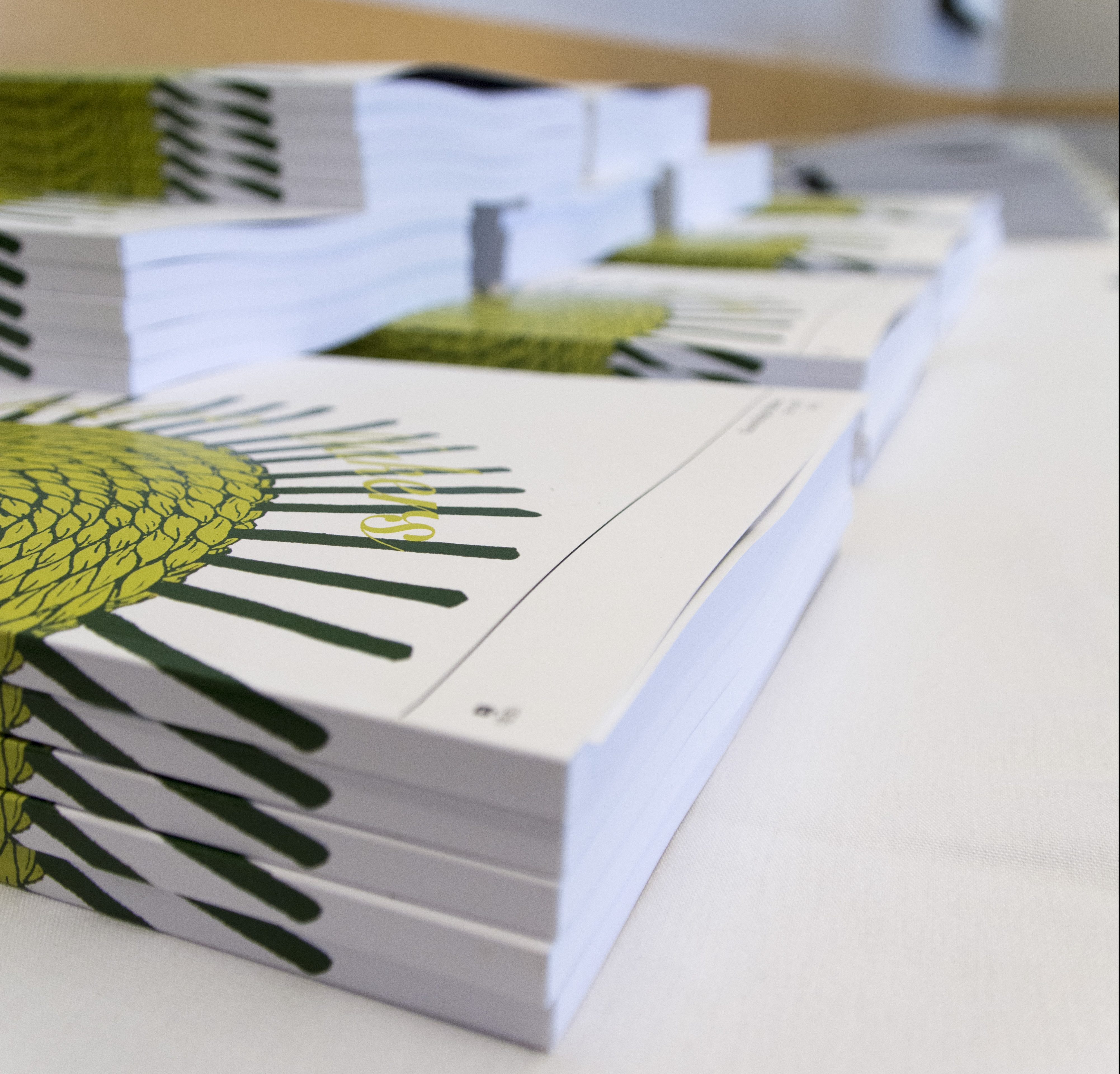
The Knowledge Makers Journal publishes a yearly review for Thompson Rivers University. The editorial board selects up to 20 Indigenous undergraduate students through an application process to ‘make knowledge’ with guidance in the Knowledge Makers publication program.
The objective of Knowledge Makers Journal is to advance Indigenous research by fostering research that focuses on Indigenous ontologies and epistemologies across a variety of disciplines done by diverse Indigenous researchers.
How does publication work?
Going Through the Publication Process
Gaining Valuable Research Experiences
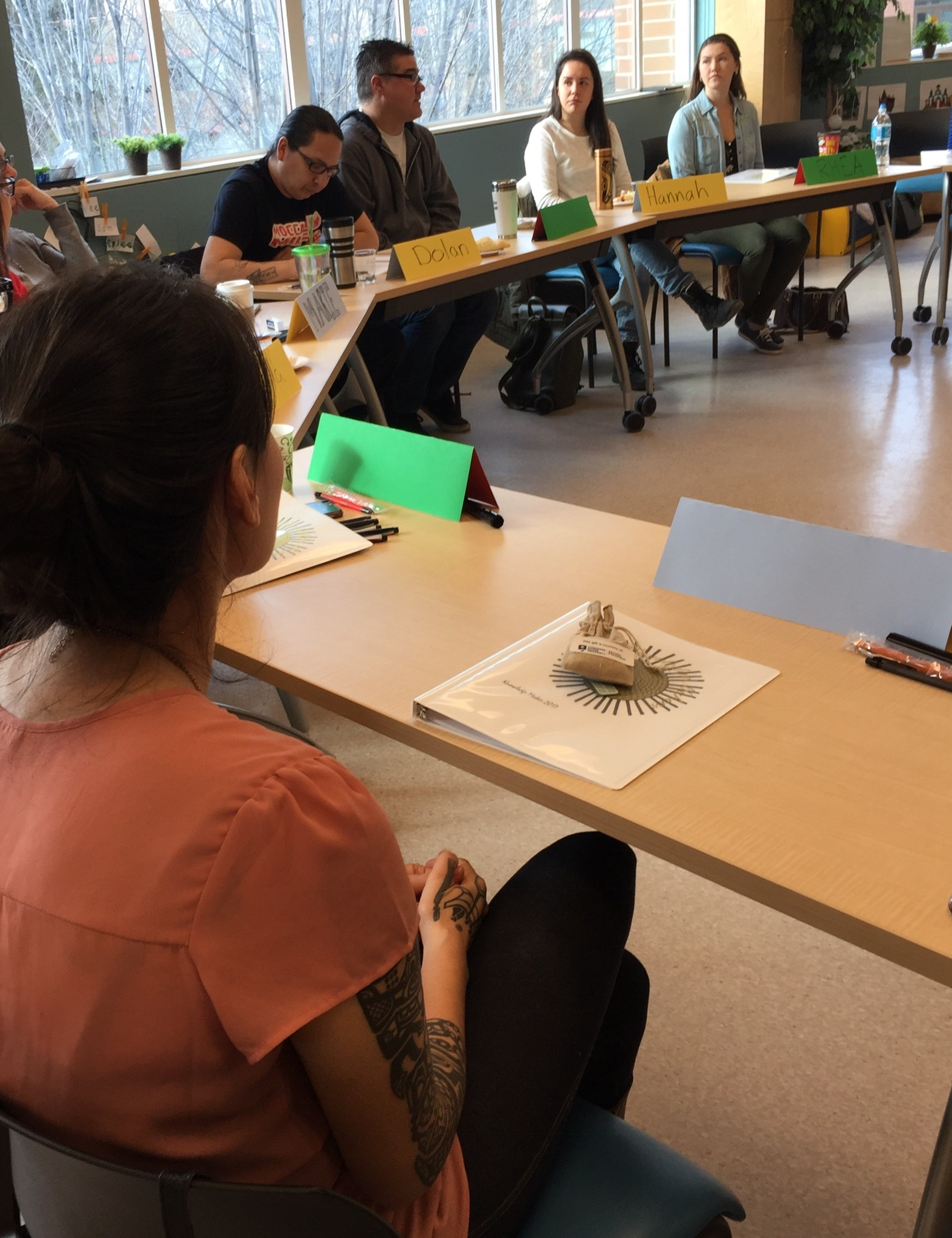
Throughout the research and publication process, students are supported by Knowledge Makers Staff, Elders, and online resources.
Additionally, during the two-day workshop students learn important skills for Indigenous research and what it can mean to them in their academic journey.
Apply
The call for papers goes out, and applications are accepted.
Applicant Selection
The committee selects the successful applicants and notifies them.
2 Day Workshop
Participants take part in a two-day workshop that provides foundational information on how to conduct Indigenous research and collaborate with peers, Elders, and Indigenous researchers.
Initial Paper Evaluation
A complete first draft is submitted for peer review where experts in the field evaluate the quality, validity, and significance of the research.
Authors receive feedback from peer reviewers and may be required to revise their manuscripts accordingly.
Secondary Paper Evaluation
Revised papers undergo a second round of peer review to ensure that the suggested changes have been adequately addressed, and any added information meets the journal’s requirements.
Authors may receive feedback from peer reviewers and be required to revise their manuscripts accordingly.
Paper acceptance
The editorial team decides on whether to accept the manuscript for publication, request further revisions, or reject it. Once accepted papers undergo copy editing and proofreading to ensure clarity, consistency, and adherence to the journal’s style.
Typesetting and Layout
Bio’s are collected from authors, quotes are selected from papers, and other decorative details are finalized. The finalized manuscript consisting of all accepted papers is formatted according to the journal’s specifications for publication by a graphic designer.
Pre-publication Approval
The finalized manuscript is supplied to the authors for final approval to ensure accuracy.
Publication
The journal is officially published, online and in print, and is made accessible to readers.
reach out to us!
If you have questions about the journal or upcoming publications that our website doesn’t answer, send us a message—we’ll do our best to help you.